Construction Of Cylinder

Hydraulic cylinders are precision assemblies engineered for strength, reliability and long life. Their construction balances robust mechanical design with high-precision machining and sealing technologies.

Main components
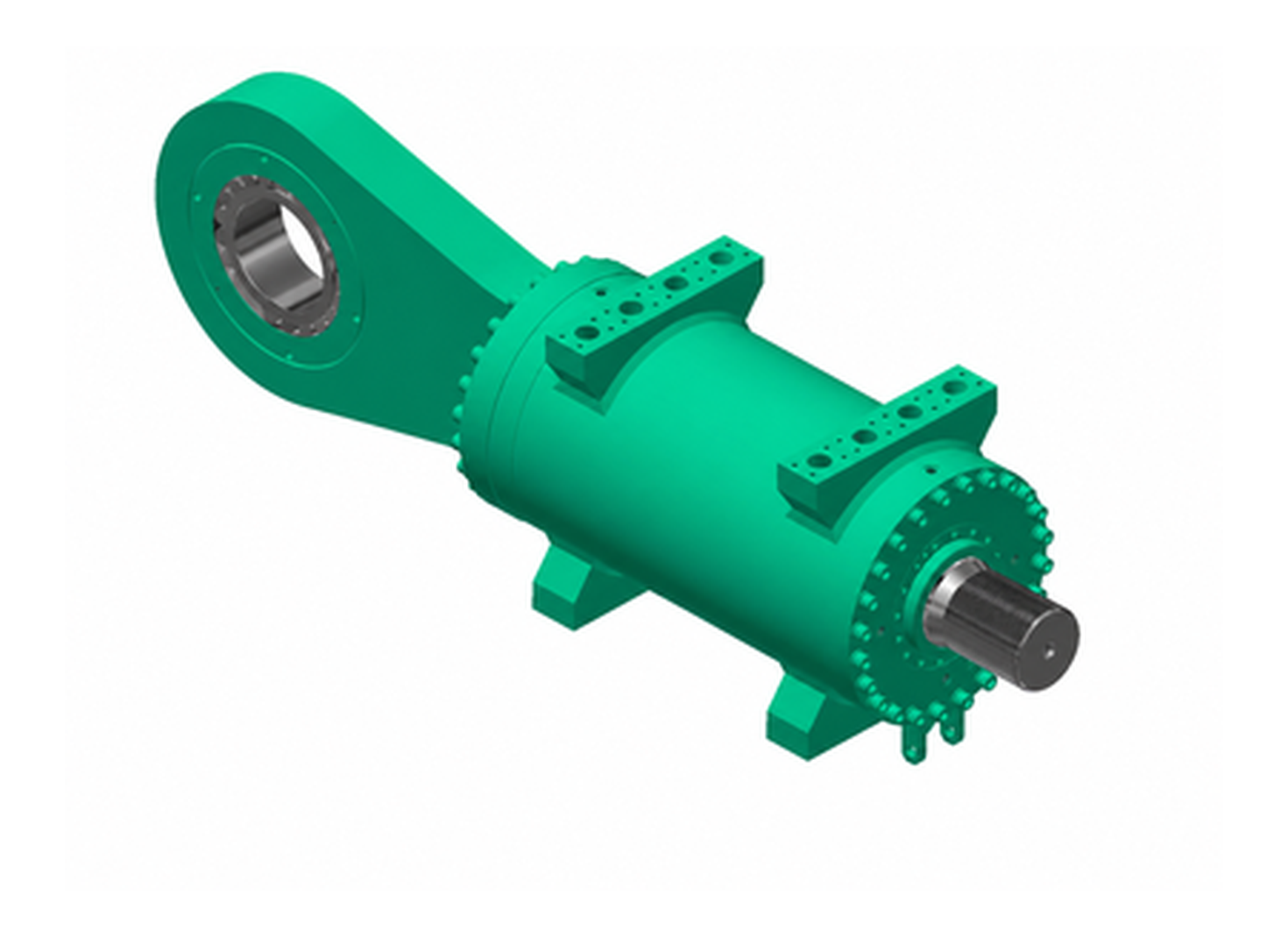
  • Cylinder barrel (tube): The main pressure chamber, machined for a smooth bore and hardened/liner-finished for wear resistance.

  • Piston: Fits closely into the barrel; houses piston seals and transmits force to the rod.

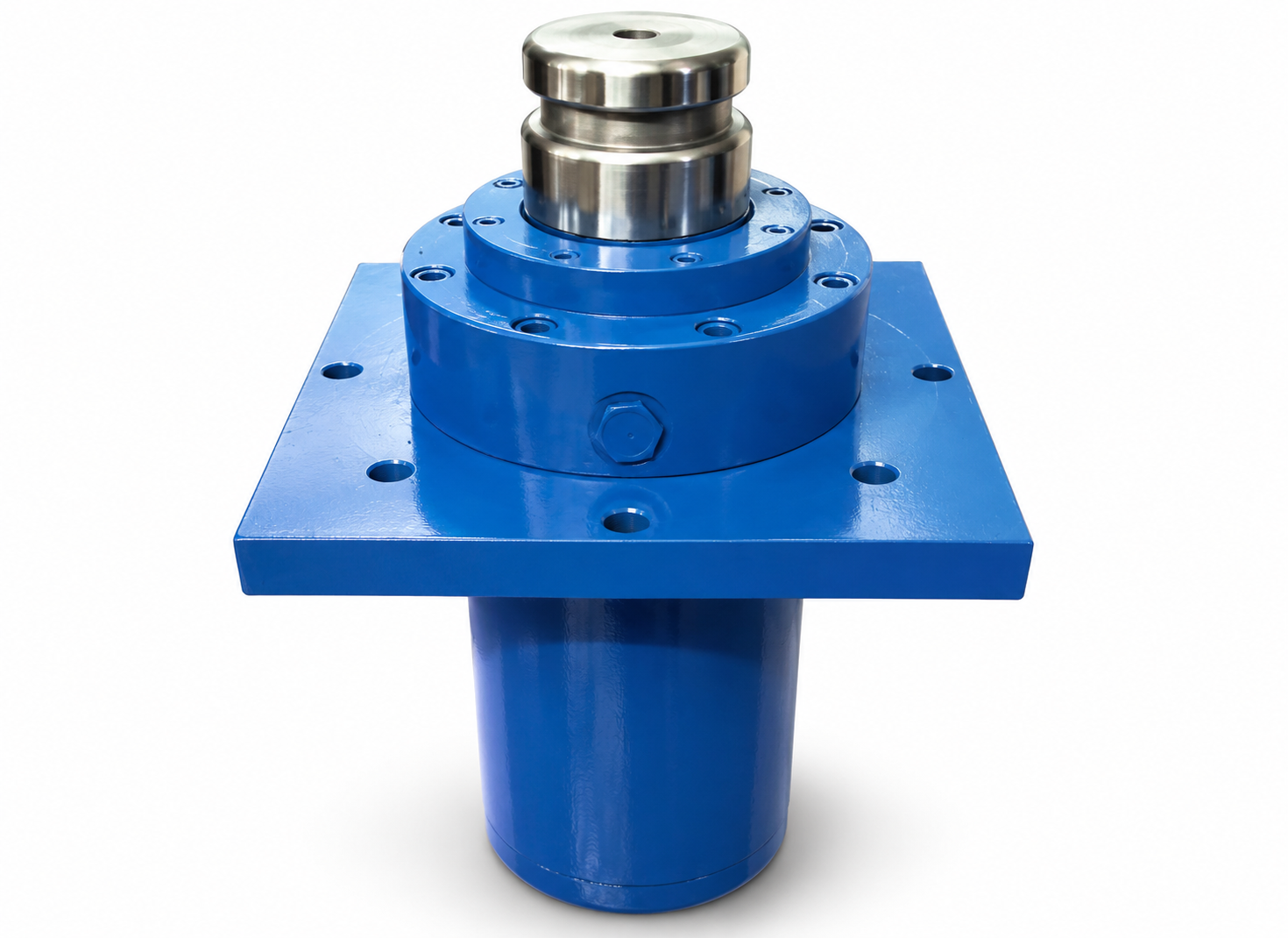
  • Piston rod: Connects piston to the external load; hardened and chrome-plated for wear and corrosion resistance.

  • End caps (head/rod end & cap): Close the ends of the barrel and support bearings/seals.

  • Seals: Rod seals, piston seals, wipers, backup rings and guide rings to prevent leakage and guide the piston.

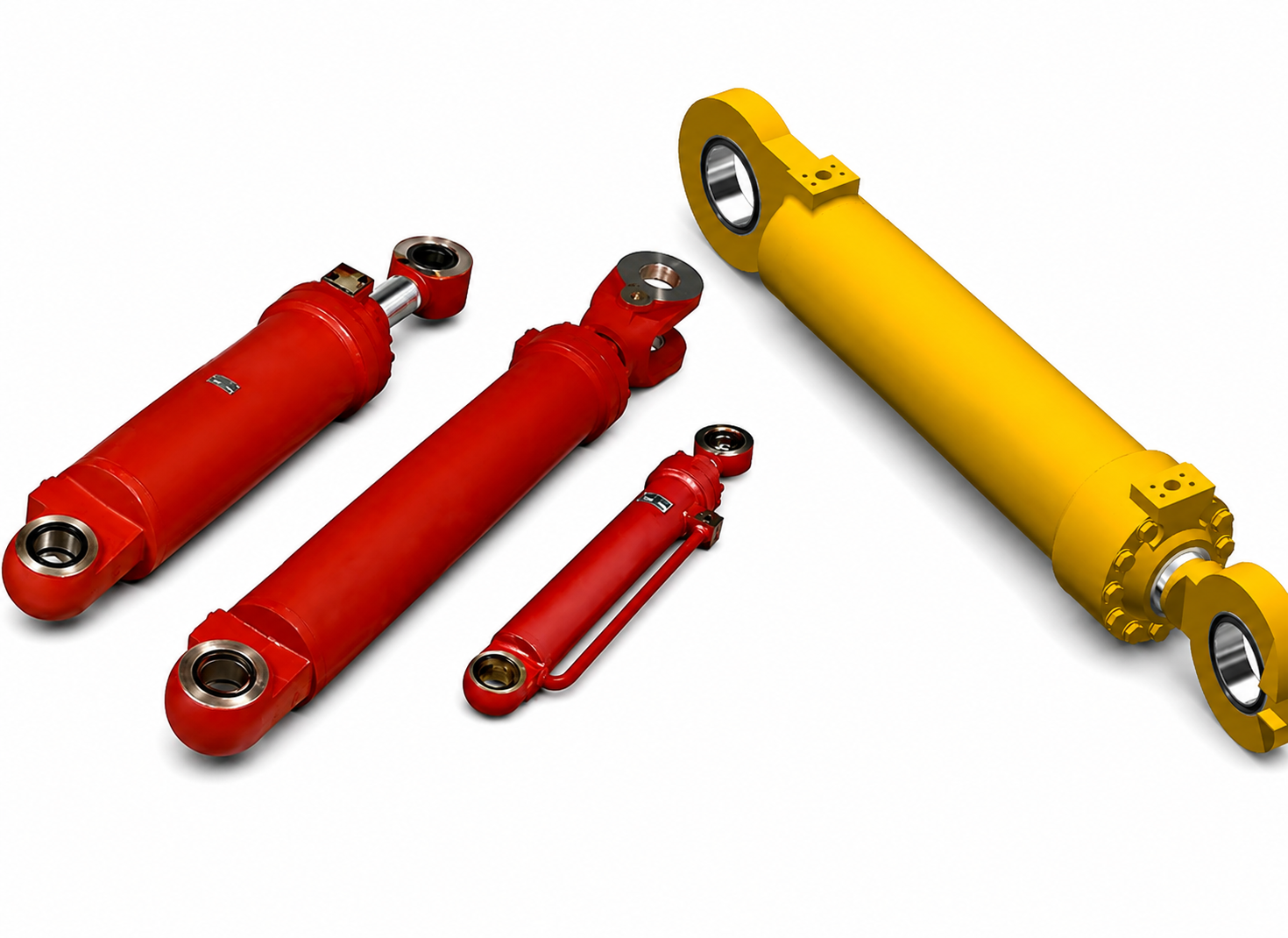
  • Mountings: Flanges, trunnions, clevises, eye ends or custom brackets depending on application.

  • Ports & fittings: Fluid inlet/outlet, drain ports and pressure test points.

  • Accessories: Cushions, position sensors, non-return valves or shock absorbers as required.

Materials & machining
  • Barrels: high-grade alloy steel, honed or sleeved (liner) for low friction.

  • Pistons and rods: alloy steel with induction hardening and chrome plating for surface hardness and corrosion resistance.

  • End caps: forged steel or ductile iron depending on load.

  • Manifold/ports: precision-machined for leak-free integration.

Design considerations
  • Bore diameter vs rod size trade-offs for strength and buckling resistance.

  • Seal selection (NBR, PU, PTFE variants) for pressure, temperature and fluid compatibility.

  • Surface finishes and tolerances to minimise wear and internal bypass.